The Hidden Cost of Missed Calls in Modern Healthcare
# The Hidden Cost of Missed Calls in Modern Healthcare In the fast-paced environment of a medical practice, the front desk is the nerve center of operations. S
The Revenue Impact of Unanswered Phones
The correlation between phone responsiveness and patient acquisition is direct and measurable. According to industry data from the Healthcare Information and Management Systems Society (HIMSS), approximately 30% of patients who call a provider's office to schedule an appointment will not leave a voicemail if they are not answered immediately. Instead, they move on to the next practice on their list.
When you calculate this against the average lifetime value of a patient in primary care or specialty medicine, the numbers become staggering. If a practice misses just five calls a day, that could equate to losing dozens of new patients monthly. Over a year, this translates to tens of thousands of dollars in lost revenue. This is the core of the hidden cost of missed calls: it is not merely an administrative inconvenience; it is a direct hit to the bottom line that often goes untracked in standard financial reports.
The Patient Experience and Trust Deficit
Beyond the immediate financial loss, missed calls damage the patient-provider relationship before it even begins. In an era where patients expect the same level of digital convenience from healthcare as they do from retail or banking, a busy signal or a long hold time creates an immediate friction point.
Research indicates that 70% of patients consider the ease of scheduling an appointment as a critical factor in choosing a healthcare provider. When a patient calls during peak hours and encounters a busy line, they perceive the practice as disorganized or uncaring. This perception can linger, affecting patient retention and satisfaction scores (HCAHPS). The hidden cost of missed calls extends to brand reputation; in the age of online reviews, a single negative experience regarding accessibility can deter multiple prospective patients.
The Burden on Front Desk Staff
The pressure to answer every call often leads to burnout among front desk staff. When receptionists are forced to choose between answering the phone and checking in a patient waiting in the lobby, the quality of service for both interactions suffers. This "multitasking trap" increases the likelihood of errors in scheduling, data entry, and patient communication.
Furthermore, the stress of managing a high volume of calls without adequate support contributes to high turnover rates in administrative roles. Recruiting and training new front desk staff is costly and time-consuming. By failing to address the root cause of call volume—specifically the inability to handle peak times efficiently—practices inadvertently create a cycle of inefficiency that drains resources and morale.
Strategic Solutions for Sustainable Growth
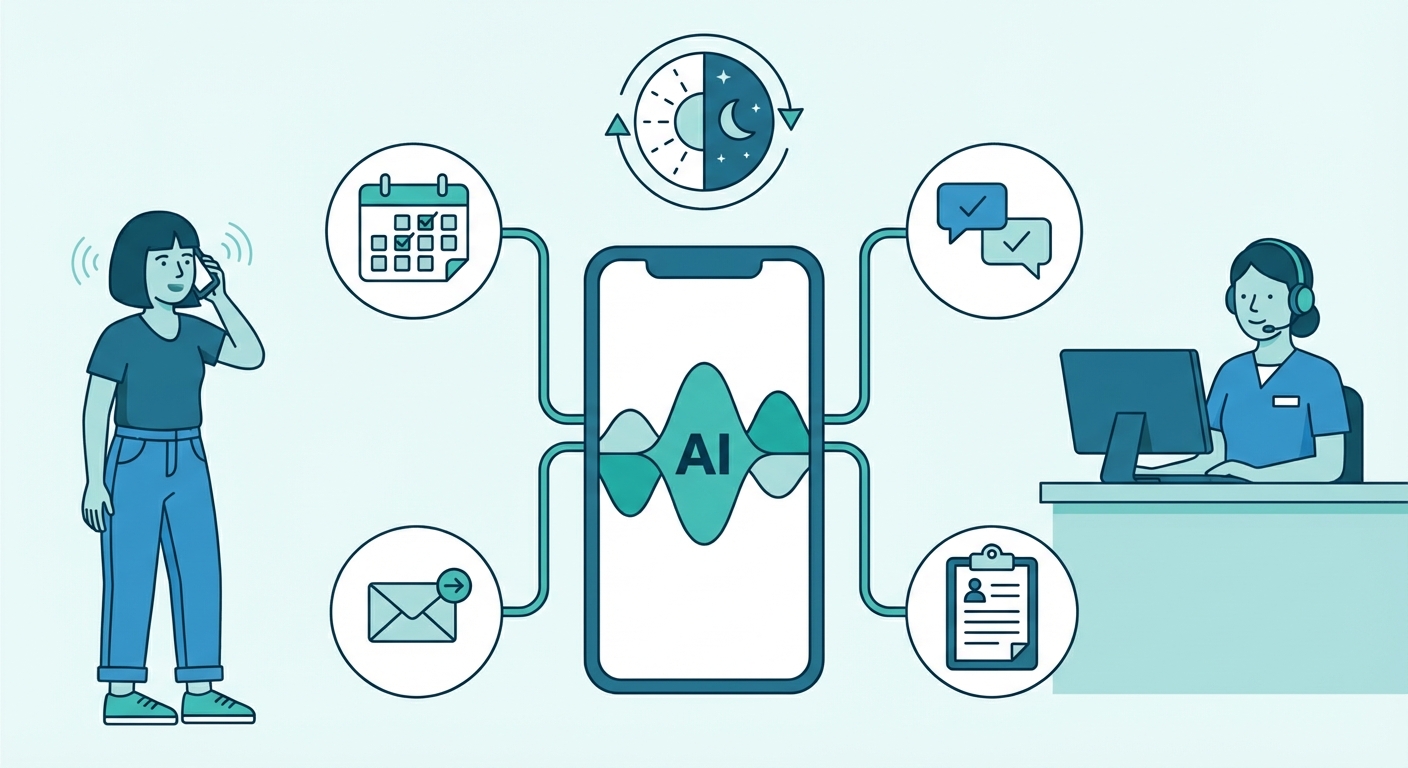
To mitigate the hidden cost of missed calls, practices must shift from a reactive stance to a proactive one. This involves leveraging technology that can handle routine inquiries without human intervention. Modern solutions allow for 24/7 availability, ensuring that patients can schedule appointments, request refills, or get answers to basic questions at any time of day or night.
Implementing an intelligent system does not replace the human touch; rather, it frees up human staff to focus on complex tasks that require empathy and critical thinking. By automating the initial intake and scheduling process, practices can ensure that no call goes unanswered, regardless of how busy the office is. This approach transforms the phone line from a bottleneck into a reliable channel for patient engagement.
Actionable Takeaways for Practice Managers
To begin addressing this issue immediately, consider these three steps:
- Audit Your Call Review your phone system logs for the past month. Identify peak call times and the percentage of calls that go to voicemail or are abandoned. This data provides a baseline for understanding your specific revenue leakage.
- Implement a "No Busy Signal" Policy: Ensure that your current phone system is configured to route calls to a backup line or a digital assistant when all lines are occupied. Never let a patient hear a busy tone.
- Evaluate Automation Tools: Look for AI-driven voice solutions that can integrate with your existing Electronic Health Record (EHR) system to handle scheduling and FAQs, ensuring your staff is not overwhelmed during rush hours.
The landscape of healthcare administration is evolving, and the expectation for immediate, seamless access is higher than ever. By acknowledging the hidden cost of missed calls, practice managers can make informed decisions that protect revenue and enhance patient trust.
Learn how AI Voice Agent can help — visit medsiteai.com/book