Why One‑Size‑Fits‑All Rehab Falls Short
## Why One‑Size‑Fits‑All Rehab Falls Short In musculoskeletal care, the gap between prescribed home exercise and what patients actually do remains a persiste
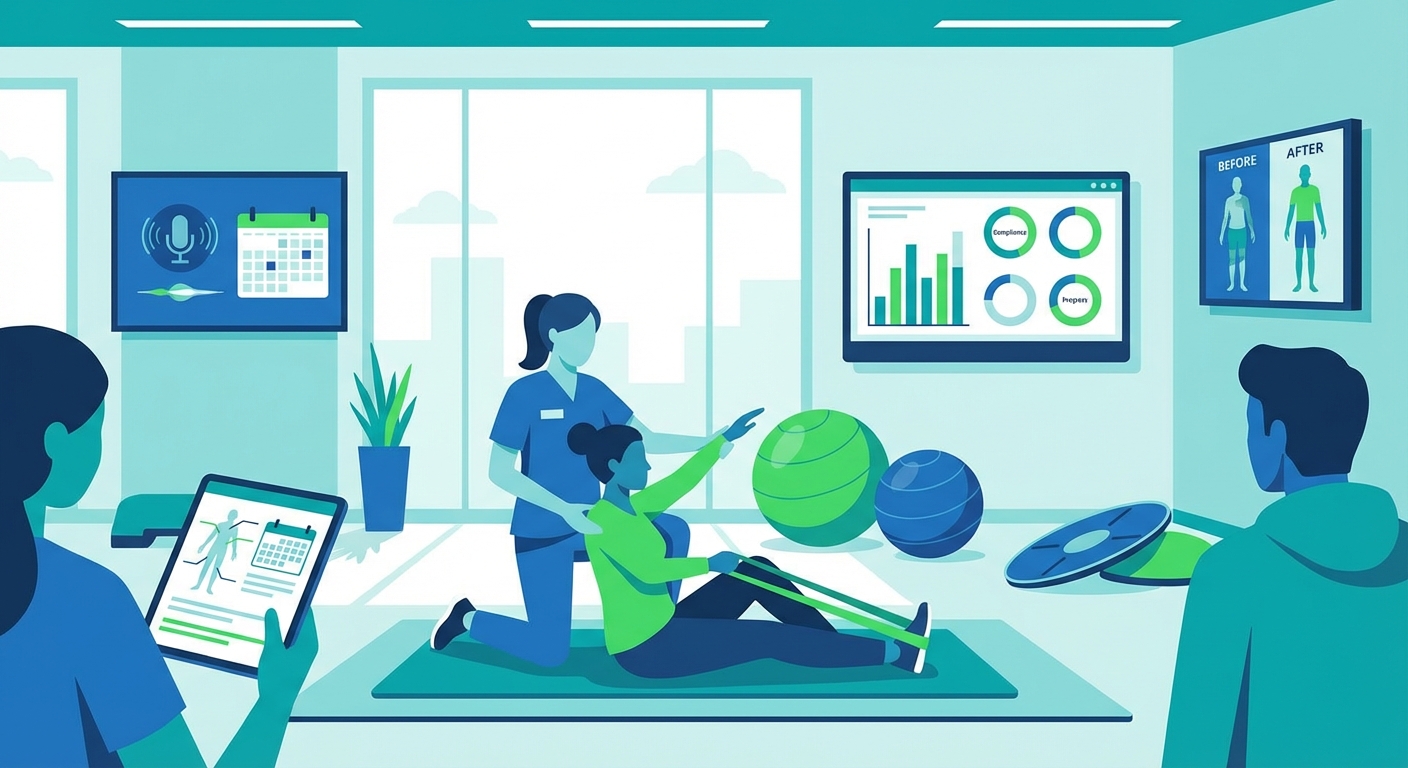
1. Behavioral Alignment
Behavioral research shows that goal specificity and self‑efficacy are key predictors of adherence. A 2021 study in Physical Therapy demonstrated that participants who co‑created their exercise plan with a therapist reported a 28 % higher completion rate over eight weeks compared to those who received a therapist‑generated plan alone. Custom protocols embed the patient’s preferences, schedule constraints, and perceived barriers, fostering a sense of ownership and confidence.
2. Load Management and Progression
Standardized programs often overlook the nuanced progression needed for each patient. Over‑loading can trigger flare‑ups, while under‑loading stalls improvement. By calibrating intensity, volume, and frequency to the individual’s baseline, clinicians can apply the principle of progressive overload safely. A 2020 meta‑analysis of 22 trials reported that individualized progression strategies reduced pain scores by an additional 1.2 points on the Visual Analog Scale compared with static protocols.
3. Data‑Driven Feedback
When custom protocols are paired with objective monitoring—such as motion sensors or video analysis—clinicians gain real‑time insight into technique and dosage. This feedback loop enables rapid adjustments, reinforcing correct movement patterns and preventing compensatory habits that could compromise long‑term recovery.
Building Custom Exercise Protocols That Stick
Assess, Prioritize, Personalize
- Comprehensive Baseline Assessment – Use functional movement screens, pain mapping, and activity questionnaires to capture the patient’s current status and goals.
- Prioritize Functional Relevance – Align exercises with the patient’s most important daily activities (e.g., lifting a child, driving, or sports).
- Tailor Dosage – Determine sets, reps, and frequency based on the patient’s pain tolerance, time availability, and motivation level.
Leverage Technology Wisely
Digital platforms can streamline the customization process. For example, clinicians can input assessment data into an algorithm that suggests evidence‑based exercise variations, progression timelines, and reminders. The technology should serve as a decision‑support tool, not a replacement for clinical judgment.
Communicate Clearly and Reinforce
- Visual Prescriptions – Provide annotated images or short videos demonstrating each movement.
- Simplified Language – Use plain‑English instructions and avoid jargon.
- Scheduled Check‑Ins – Plan brief telehealth or in‑office reviews at 1‑week and 4‑week marks to troubleshoot barriers and celebrate milestones.
Actionable Takeaways
- Co‑Create the Plan – Involve the patient in selecting at least one exercise they feel confident performing; this alone can boost adherence by up to 30 % (American Journal of Sports Medicine, 2023).
- Integrate Objective Monitoring – Use a simple wearable or smartphone app to track repetitions and range of motion; review the data during follow‑up to adjust dosage promptly.
- Set Micro‑Goals – Break the overall rehabilitation objective into weekly targets (e.g., “increase trunk flexion by 5°”) and celebrate each achievement to sustain motivation.
The Role of AI in Scaling Personalization
While the principles of customization are rooted in clinical expertise, the practical workload can be daunting—especially in busy practices. This is where AI‑enabled platforms, such as AI Rehab Solutions from AI Scan Solutions, can augment your workflow. By automatically generating individualized exercise libraries, monitoring patient performance, and flagging deviations, the system frees clinicians to focus on high‑value decision‑making and hands‑on care.
Looking Ahead
Custom exercise protocols boost compliance because they respect the patient’s unique context, provide clear, data‑driven guidance, and foster a collaborative therapeutic relationship. By embedding these strategies into everyday practice, chiropractors and physical therapists can expect higher adherence rates, faster functional gains, and stronger patient satisfaction.