Patient Portal Best Practices for Enhanced Patient Engagemen
# Patient Portal Best Practices for Enhanced Patient Engagement As a healthcare practice owner, you understand the importance of providing your patients with a
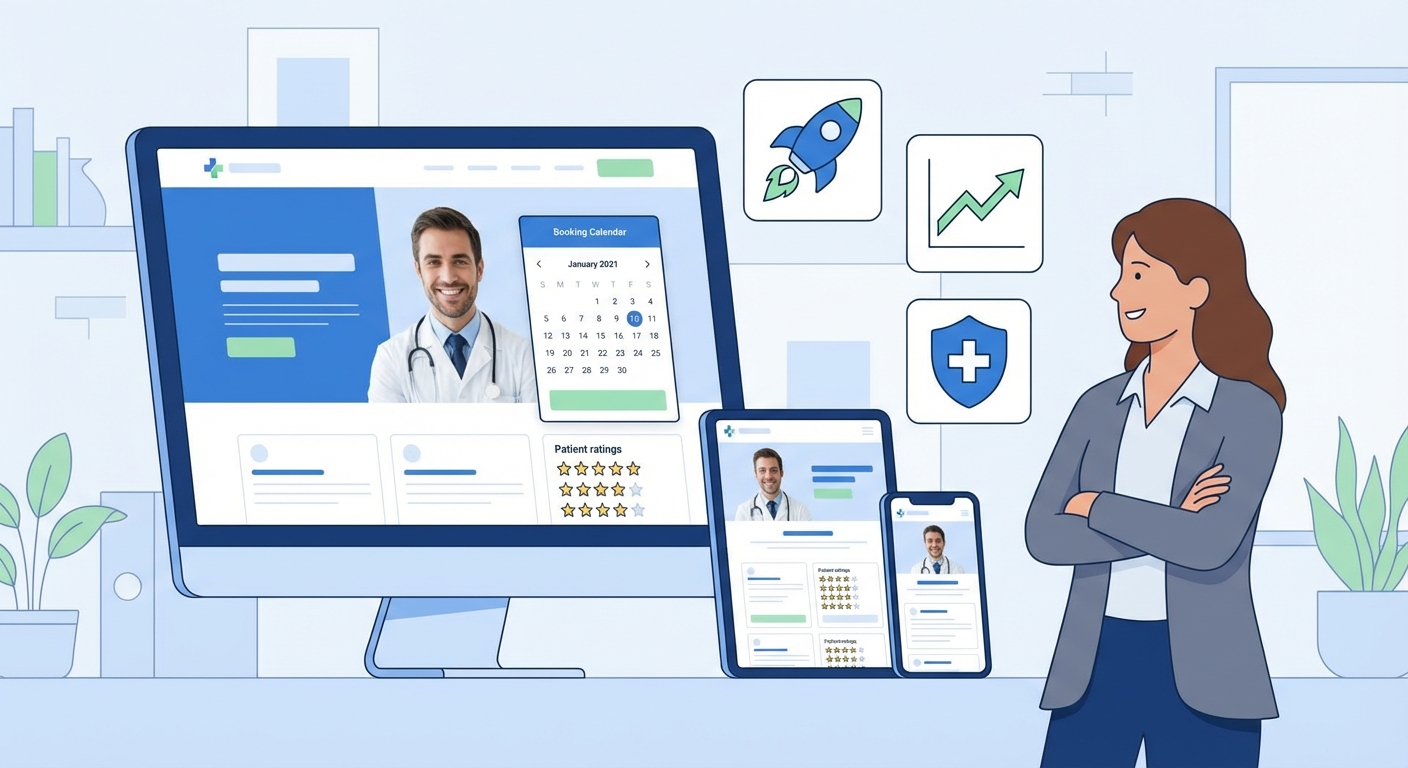
Understanding Patient Portal Best Practices
Patient portal best practices involve designing and implementing a portal that is user-friendly, secure, and provides patients with easy access to their medical information. This includes features such as appointment scheduling, medication management, and secure messaging. By following patient portal best practices, healthcare practices can ensure that their patients have a positive experience, which can lead to increased loyalty and retention. For example, a study by the Journal of Medical Internet Research found that patients who used a patient portal were more likely to adhere to their treatment plans and had better health outcomes.
Key Features of a Patient Portal
A patient portal that follows patient portal best practices should have several key features, including: Access to medical records and test results
- Secure messaging with healthcare providers
- Appointment scheduling and reminders
- Medication management and refill requests
- Personalized health education and resources By including these features, healthcare practices can provide their patients with a comprehensive and user-friendly patient portal that meets their needs and expectations.
Implementing Patient Portal Best Practices
To implement patient portal best practices, healthcare practices should consider the following actionable takeaways:
- Conduct patient surveys and feedback: Regularly survey patients to understand their needs and preferences, and use this feedback to improve the patient portal.
- Provide training and support: Offer training and support to patients and staff to ensure that everyone is comfortable using the patient portal.
- Monitor and evaluate portal usage: Regularly monitor and evaluate patient portal usage to identify areas for improvement and optimize the portal for better patient engagement. By following these takeaways and adhering to patient portal best practices, healthcare practices can create a patient portal that is effective, efficient, and meets the needs of their patients.
In conclusion, patient portal best practices are essential for healthcare practices that want to provide their patients with a seamless and personalized experience. By understanding patient portal best practices, including key features and implementing best practices, healthcare practices can improve patient satisfaction, increase engagement, and streamline communication. Patient portal best practices can also help healthcare practices to stay competitive in a rapidly changing healthcare landscape. According to a report by the Healthcare Information and Management Systems Society (HIMSS), 71% of patients expect to have access to their medical records online, and 62% of patients want to be able to communicate with their healthcare providers electronically. By following patient portal best practices and using a platform like MedSiteAI Website Builder, healthcare practices can meet these expectations and provide their patients with a high-quality patient portal. Learn how MedSiteAI Website Builder can help — visit medsiteai.com/book